Concept
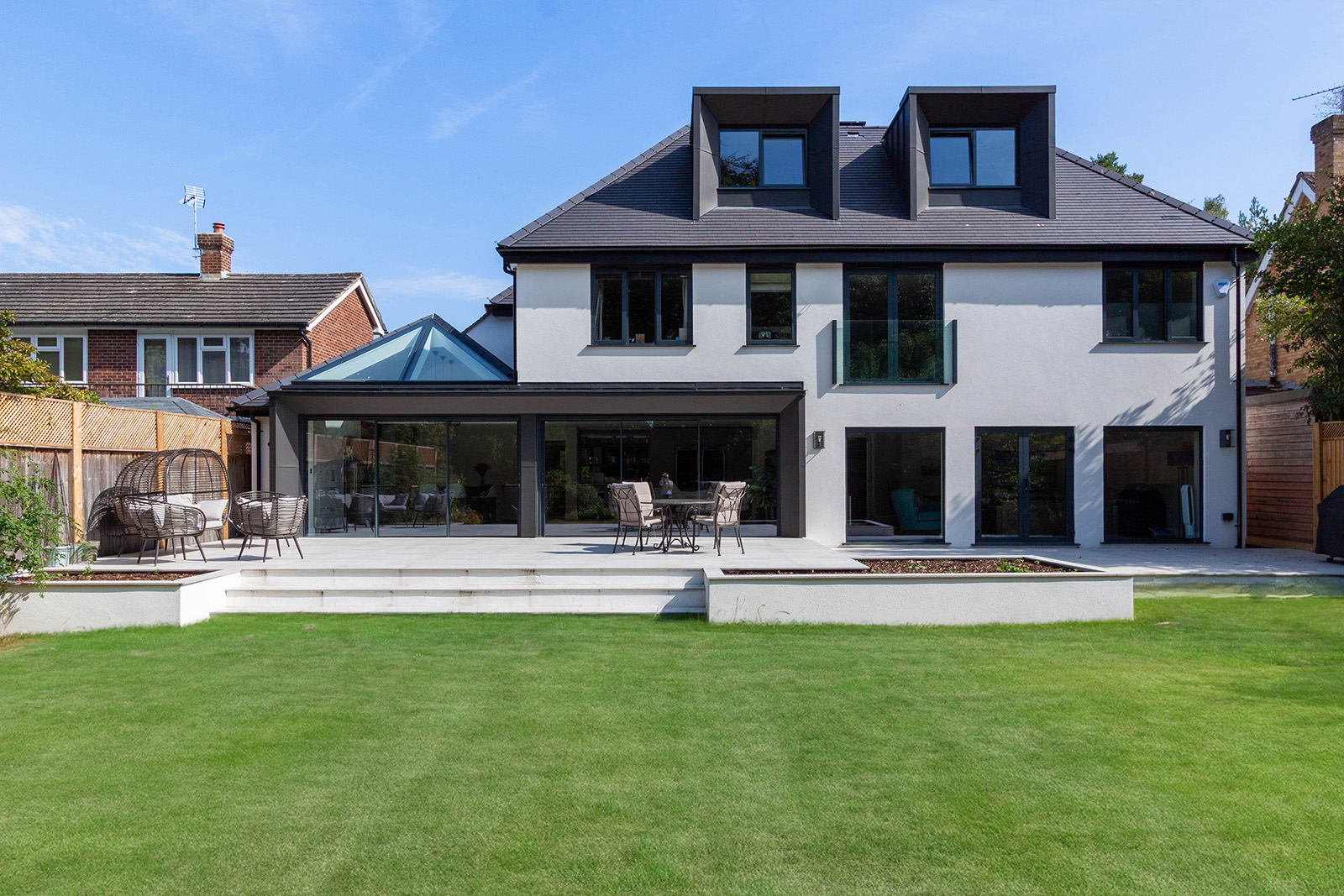
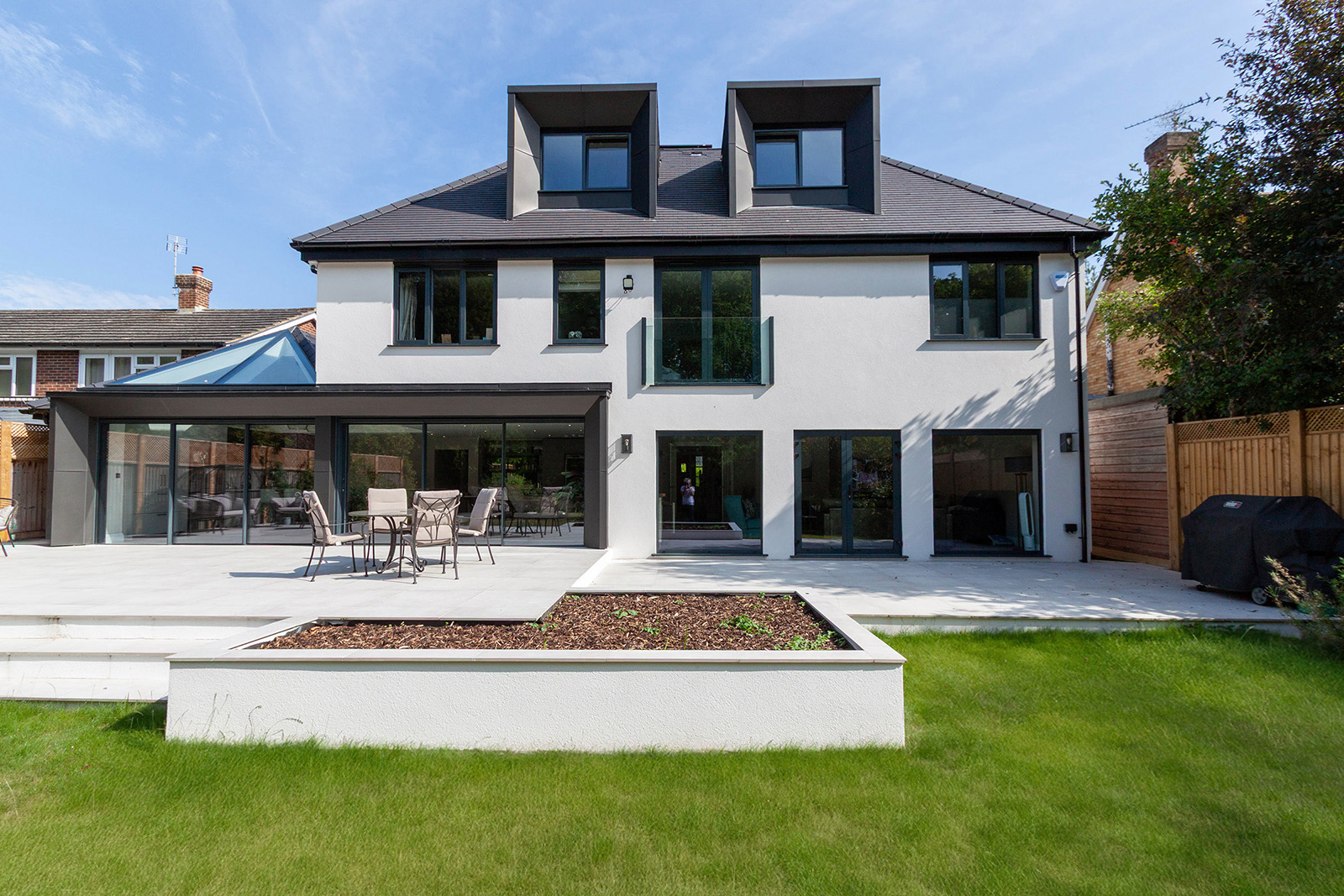
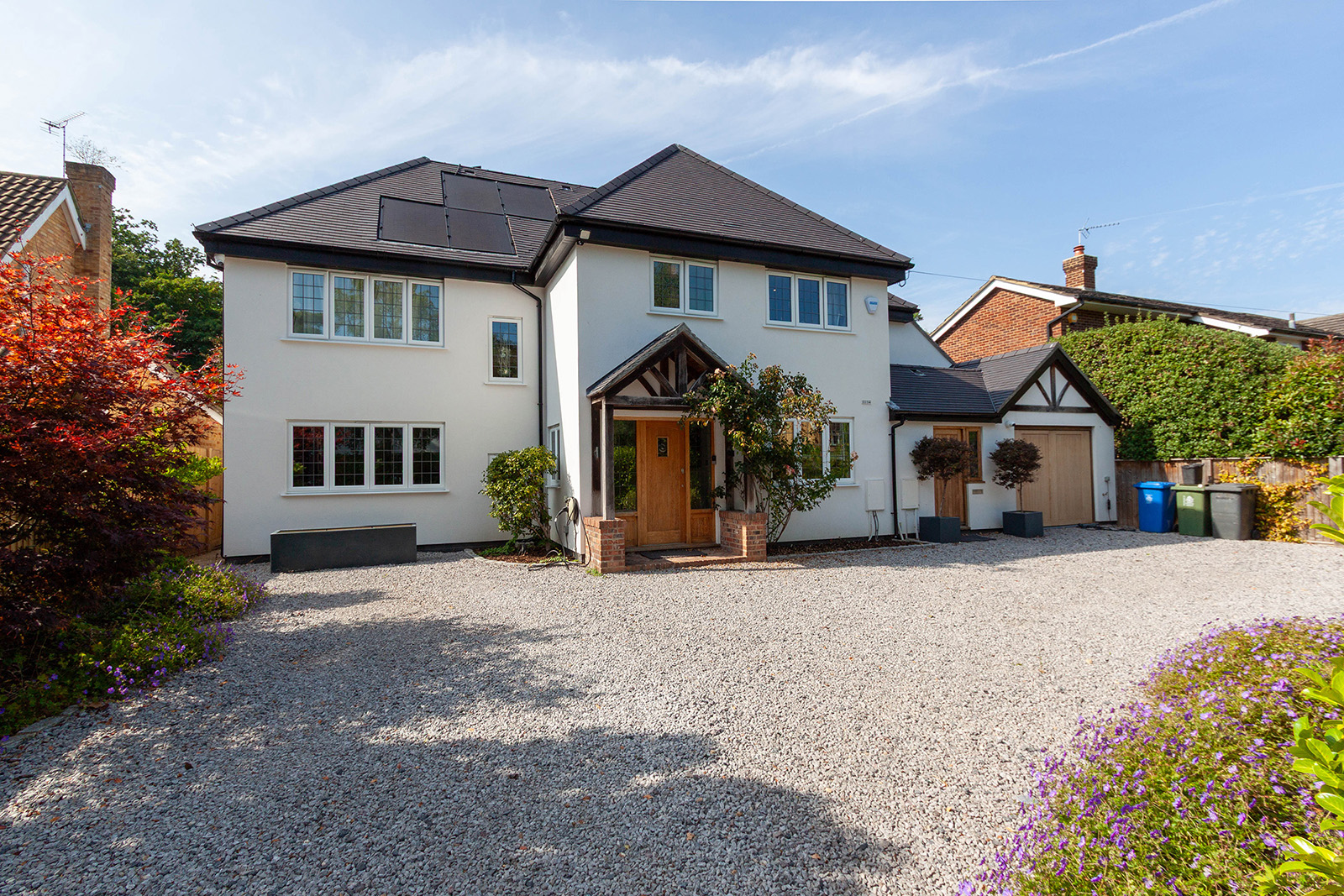
The project reworks a modest 1960s house through a carefully controlled strategy of extension, reconfiguration and vertical expansion. The aim was to introduce more space, greater openness, improved daylight and a more contemporary spatial arrangement while remaining sympathetic to the scale of the original building.
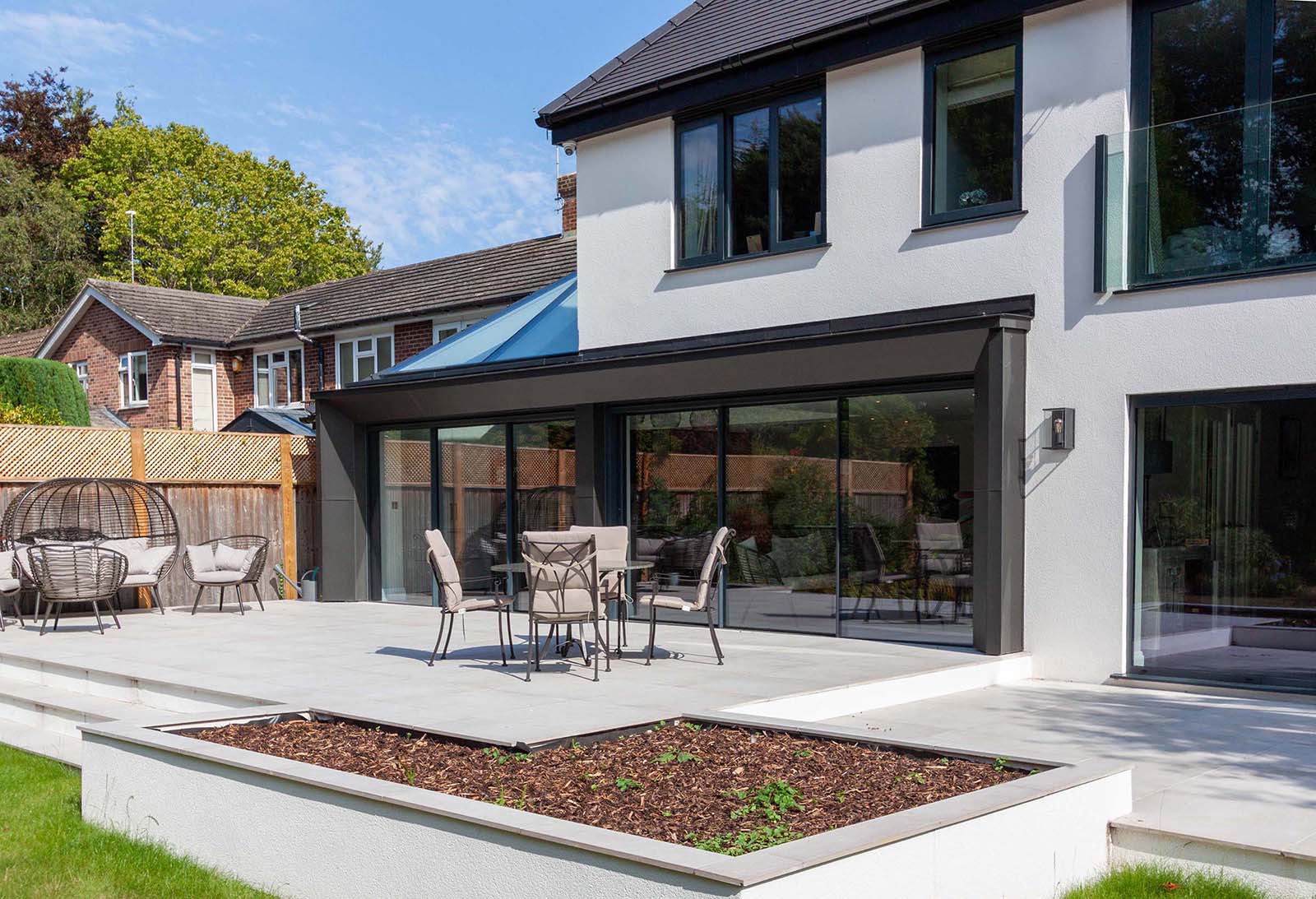
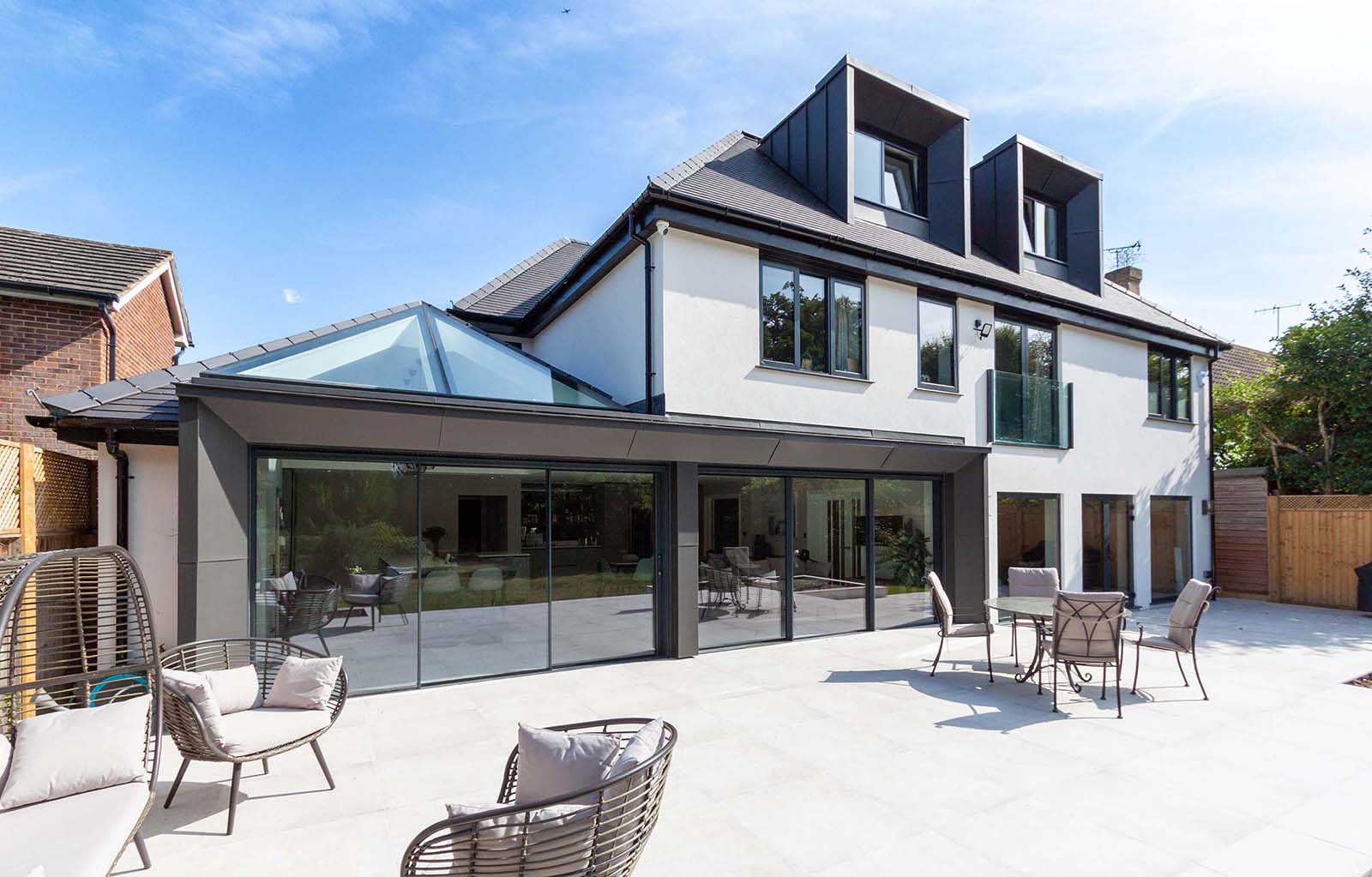
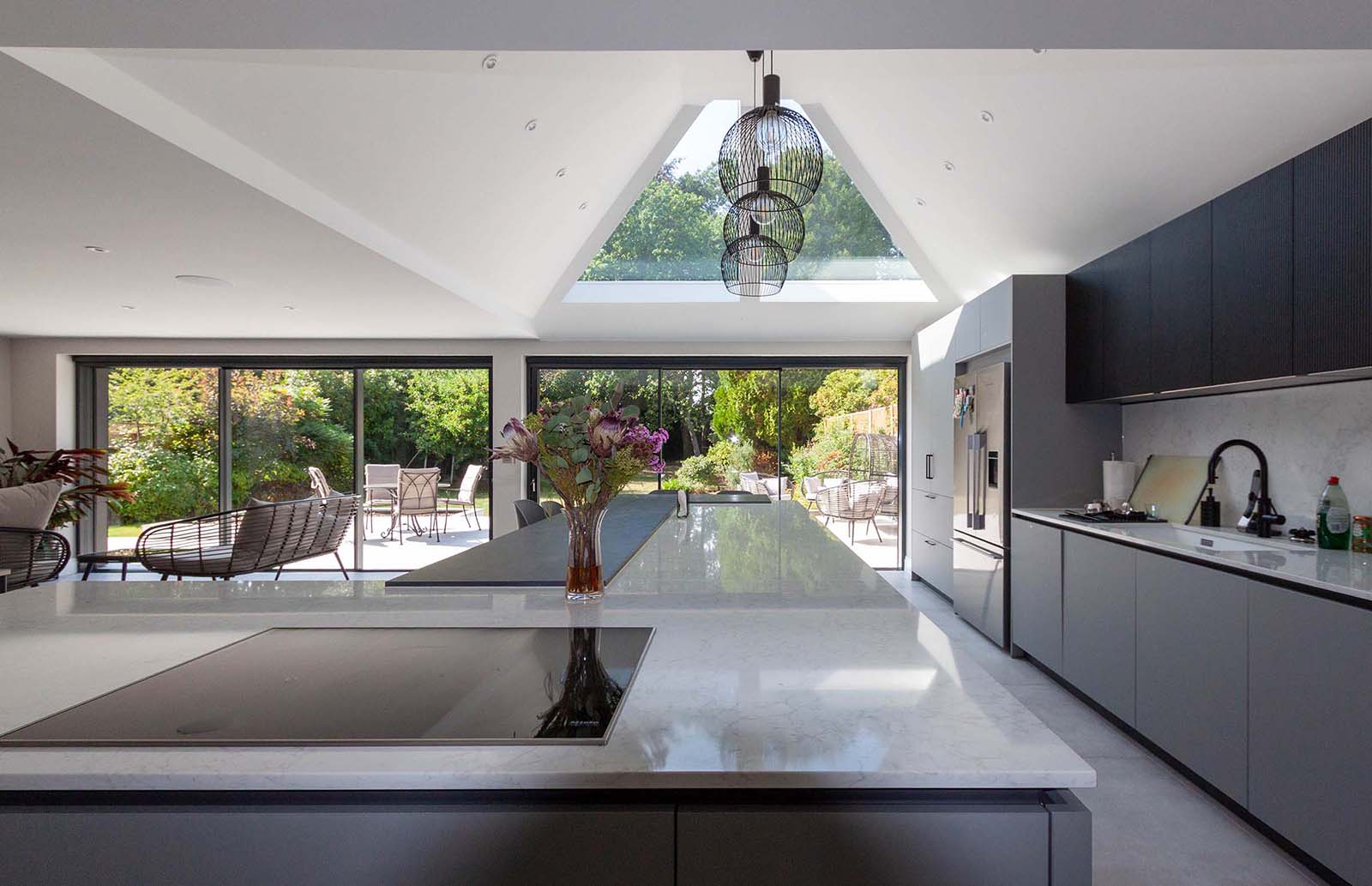
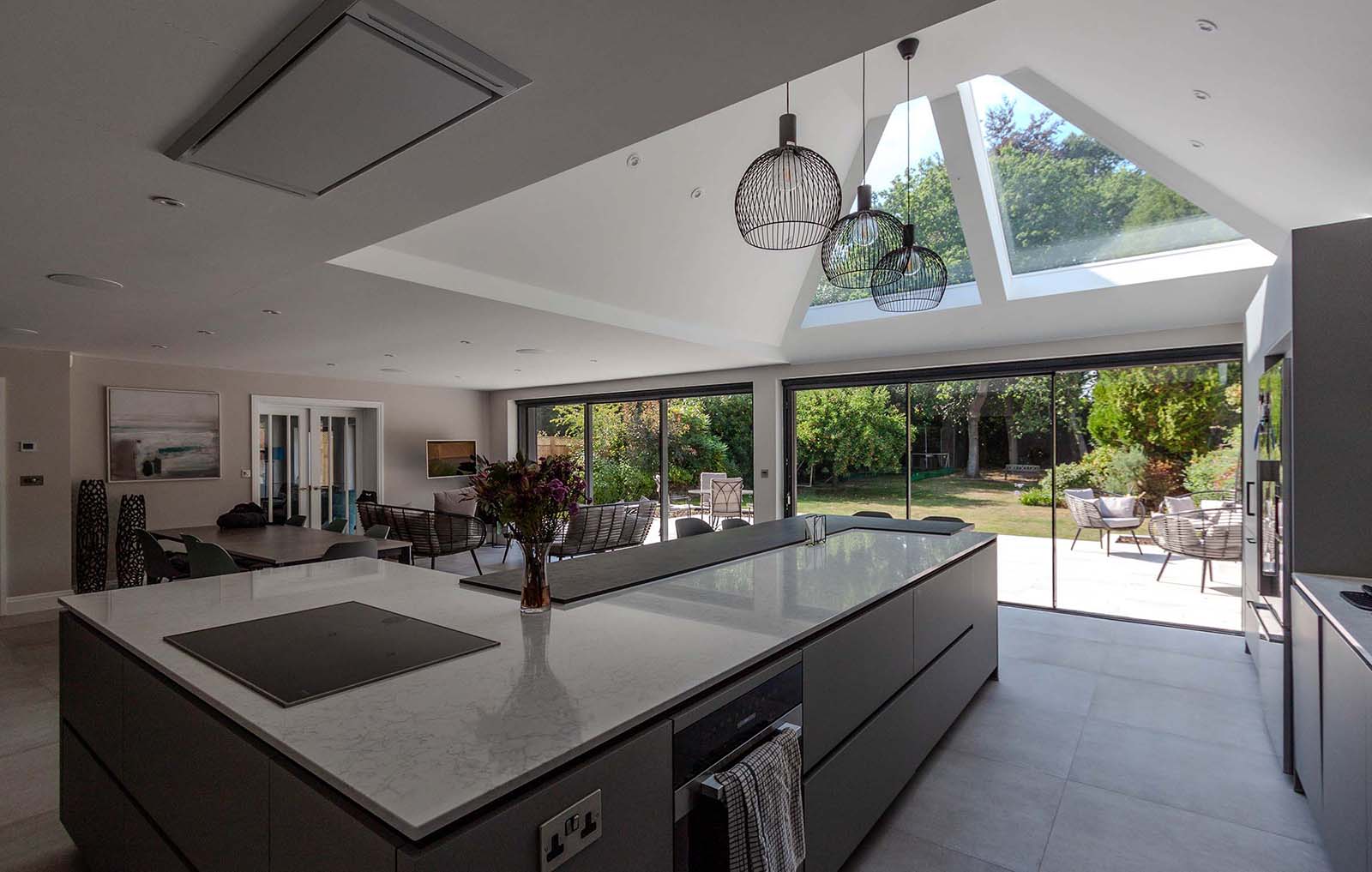
The rear of the house is comprehensively reconfigured to establish a stronger relationship between the interior and garden, allowing the new living spaces to feel lighter, calmer and more connected.
Spatial Strategy
The internal layout is simplified to create a more continuous relationship between kitchen, dining and living spaces. Large glazed openings reinforce visual connections throughout the house.
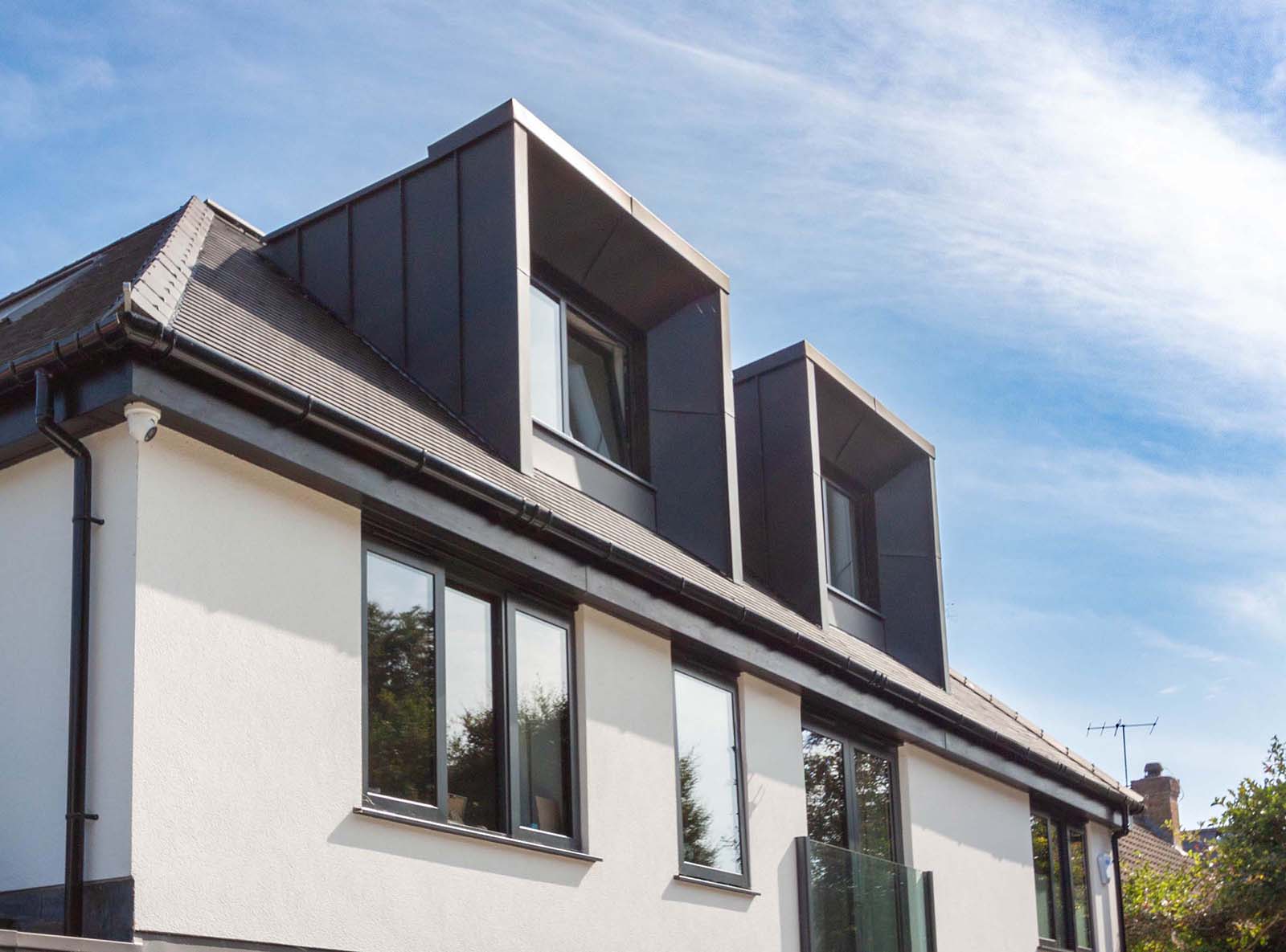
The introduction of an additional floor vastly increases usable accommodation while maintaining a balanced overall proportion within the streetscape.
Roof & Structure
A lightweight prefabricated timber attic truss system was selected to allow the new upper floor to be introduced without overloading the existing structure and foundations.
This approach reduced construction weight, improved build efficiency and allowed the loft accommodation to be formed with minimal structural intervention to the original house.
Light & Atmosphere
A large triangular rooflight draws natural light deep into the upper floor, becoming a defining architectural element within the project. Throughout the house, carefully positioned glazing improves daylight penetration and reinforces the openness of the new arrangement.
The resulting interior is calm, bright and spatially connected.
Material Approach
The material palette combines render, glazing and warm internal finishes to create a restrained and contemporary character. Detailing is simplified to emphasise proportion, light and spatial clarity.
Thermal performance was significantly improved through upgraded insulation, improved servises and the introduction of energy-efficient underfloor heating throughout the reconfigured spaces.
Project Highlights
- Complete remodelling of 1960s family house
- Additional loft floor using lightweight prefabricated timber structures
- Open plan reconfiguration and improved garden connection
- Photovoltaic installations to reduce grid dependance and improved EPC rating
- Enhanced thermal performance and energy efficiency
Project Details
- Client: Private
- Date: 2025
- Contract Value: £600,000
- Main Contractor: Cornerstone
- Structural Engineer: Graham Daines
- Lighting and Electrical: rjha Architects
Affliations